Studies show that olive oil benefits our heart and mind

Monday, January 19, 2015 by: Michael Ravensthorpe

(NaturalNews) Olive oil, which is obtained by pressing the fruits of the olive tree, is considered to be one of the most nutritious oils in the world. According to Hippocrates, it could heal a large number of serious ailments, including mental illness. The ancient Greeks and Romans generously poured olive oil over their food, cherishing it for its pleasant taste and medicinal qualities.(1)

Even in the contemporary Western world, where fats have been demonized for decades, most experts acknowledge that olive oil — especially extra virgin olive oil — is good for you. Let’s find out why.

Olive oil is rich in oleic acid

Olive oil is comprised of approximately 73 percent monounsaturated fat,(2) which includes large quantities of oleic acid, a fatty acid with countless proven benefits. For example, a review published in the journal Nutricion Hospitalaria noted the oleic acid possessed anti-inflammatory properties,(3) suggesting that it can help treat inflammatory diseases, such as rheumatoid arthritis.

Additionally, oleic acid is proven to enhance cardiovascular function. One study published in the journal Free Radical Biology & Medicine, for instance, found that a diet rich in oleic acid could protect “good” HDL cholesterol from oxidative damage, thus guarding us from heart disease.(4) Another study, featured in the Proceedings of the National Academy of Sciences, found that the oleic acid in olive oil was responsible for the oil’s well-known ability to reduce blood pressure.(5)

Olive oil contains phenolic compounds

Olive oil is packed with a large number of phenolic compounds, which are the antioxidants that give the oil its pungent, bitter taste. According to an in-depth review published in Nutrition Research Reviews in June 2005, the most powerful of these compounds, such as hydroxytyrosol and oleuropein, can guard us from serious diseases like cancer, attack destructive microorganisms in our body, and regulate the immune system.(6)

Moreover, a study published in ACS Chemical Neuroscience in 2013 showed that another phenolic compound in olive oil, called oleocanthal, had neuroprotective properties and could shield us from Alzheimer’s disease, which is a leading cause of dementia.(7) These results might explain why the Mediterranean diet, which uses olive oil freely, is associated with better cognitive function and lower rates of cognitive decline.(8)

Is it safe to cook with olive oil?

A lot of people assume that olive oil is unsafe to heat, since fatty acids can oxidize during cooking and become carcinogenic. The truth, however, is that only polyunsaturated fats become damaged when heated. Studies show that oils that are high in monounsaturated fats, such as olive oil, are fairly resistant to heat.(9,10) Therefore, don’t feel guilty about cooking with extra virgin olive oil — it hasn’t harmed the world’s healthiest people!

Sources:

(1) http://kaufmann-mercantile.com/the-history-of-olive-oil/

(2) http://www.nutritionheart.com/olive-oil-and-health/

(3) http://www.ncbi.nlm.nih.gov/pubmed/23165533

(4) http://www.ncbi.nlm.nih.gov/pubmed/9034243

(5) http://www.ncbi.nlm.nih.gov/pmc/articles/PMC2544536/

(6) http://journals.cambridge.org[PDF]

(7) http://pubs.acs.org/doi/abs/10.1021/cn400024q?journalCode=acncdm

(8) http://www.ncbi.nlm.nih.gov/pubmed/23680940

(9) http://www.ncbi.nlm.nih.gov/pubmed/17935291

(10) http://www.ncbi.nlm.nih.gov/pubmed/20678538

About the author:
Michael Ravensthorpe is an independent writer whose research interests include nutrition, alternative medicine, and bushcraft. He is the creator of the website, Spiritfoods, through which he promotes the world’s healthiest foods.

Learn more:  http://www.naturalnews.com/048332_olive_oil_phenolic_compounds_oleic_acid.html#ixzz3PJMkXZSZ
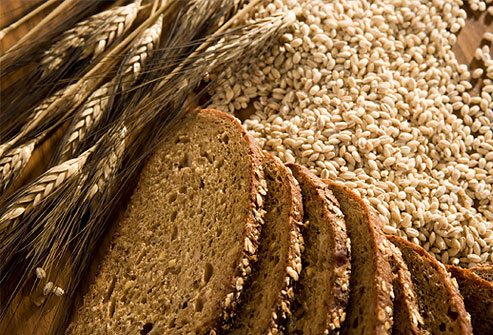
Why Grains Are Unhealthy

wholegrainsBY: MARK SISSON

I find that grain bashing makes for a tasty, but ultimately unsatisfying meal.

You all know how much I love doing it, though. But no matter how often I sit down to dine on the stuff (and I’ve done it with great gusto in the past), I always leave the table feeling like I left something behind. Like maybe I wasn’t harsh enough about the danger of gluten, or I failed to really convey just how much I hated lectins. If I didn’t know better, I’d think the mere mention of grains was eliciting a crazy insulin-esque response and throwing my satiety hormones all out of whack. I was filling up on anti-grain talk, but I just couldn’t fill that void for long.

Well, I’ve got the hunger today, and this time I aim to stuff myself to the point of perpetual sickness. I don’t ever want to have to look at another anti-grain argument again (yeah, right). If things get a little disjointed, or if I descend into bullet points and sentence fragments, it’s only because the hunger has taken over and I’ve decided to dispense with the pleasantries in order to lay it all out at once.

So please, bear with me.

Apart from maintaining social conventions in certain situations and obtaining cheap sugar calories, there is absolutely no reason to eat grains. Believe me – I’ve searched far and wide and asked everyone I can for just one good reason to eat cereal grains, but no one can do it. They may have answers, but they just aren’t good enough. For fun, though, let’s see take a look at some of the assertions:

“You need the fiber!”

Okay, for one: no, I don’t. If you’re referring to its oft-touted ability to move things along in the inner sanctum, fiber has some unintended consequences. A few years back, scientists found that high-fiber foods “bang up against the cells lining the gastrointestinal tract, rupturing their outer covering” which “increases the level of lubricating mucus.” Err, that sounds positively awful. Banging and tearing? Rupturing? These are not the words I like to hear. But wait! The study’s authors say, “It’s a good thing.” Fantastic! So when all those sticks and twigs rub up against my fleshy interior and literally rupture my intestinal lining, I’ve got nothing to worry about. It’s all part of the plan, right?

Somehow, I’m not convinced that a massive daily infusion of insoluble grain fiber is all that essential. And that “lubricating mucus” sounds an awful like the mucus people with irritable bowel syndrome complain about. From personal experience I can tell you that once I completed my exodus from grains, the IBS completely stopped. If you’re not yet convinced on the fiber issue I’ll refer you to Konstantin Monastyrsky’s Fiber Menace. Anyway, there’s plenty of fiber in the vegetables and fruit I eat. Which takes me to the next claim:

“You need the vitamins and minerals!”

You got me. I do need vitamins and minerals, like B1 and B2, magnesium and iron, zinc and potassium. But do I need to obtain them by eating a carb-heavy, bulky grain? No, no I don’t. You show me a serving of “healthy whole grains” that can compete – nutrient, vitamin, and mineral-wise – with a Big Ass Salad. What’s that? Can’t do it? Thought so.

“But it forms the foundation of the governmental food pyramid!”

You know, I should have just started the entire post with this one. I could have saved my fingers the trouble of typing and your eyes the trouble of reading. Governmental endorsements are not points in your favor, grain-eater; they are strikes against you. An appeal to authority (unless that “authority” is actually a preponderance of scientific evidence, of course) does not an effective argument make. Conventional Wisdom requires consistent, steady dissection and criticism if it is to be of any value.

There’s a reason grains are first and foremost on the list of foods to avoid when following the Primal Blueprint: they are completely and utterly pointless in the context of a healthy diet. In fact, if your average unhealthy person were to ask for the top three things to avoid in order to get healthy, I would tell them to stop smoking, to stop drinking their calories (as soda or juice), and to stop eating grains. Period. Full stop. They really are that bad.

I’ve mentioned this time and again, but the fundamental problem with grains is that they are a distinctly Neolithic food that the human animal has yet to adapt to consuming. In fact, cereal grains figured prominently in the commencement of the New Stone Age; grains were right there on the forefront of the agricultural revolution. Hell, they were the agricultural revolution – einkorn wheat, emmer, millet, and spelt formed the backbone of Neolithic farming. They could be stored for months at a time, they were easy enough to grow in massive enough quantities to support a burgeoning population, and they promoted the construction of permanent settlements. Oh, and they were easily hoarded, meaning they were probably an early form of currency (and, by extension, a potential source of income inequality). And here’s the kicker: they were harsh, tough things that probably didn’t even taste very good. It also took a ton of work just to make them edible, thanks to their toxic anti-nutrients.

Read more: http://www.marksdailyapple.com/why-grains-are-unhealthy/#ixzz3O45XXKNn

4 Amino Acids That Improve Energy and Mood

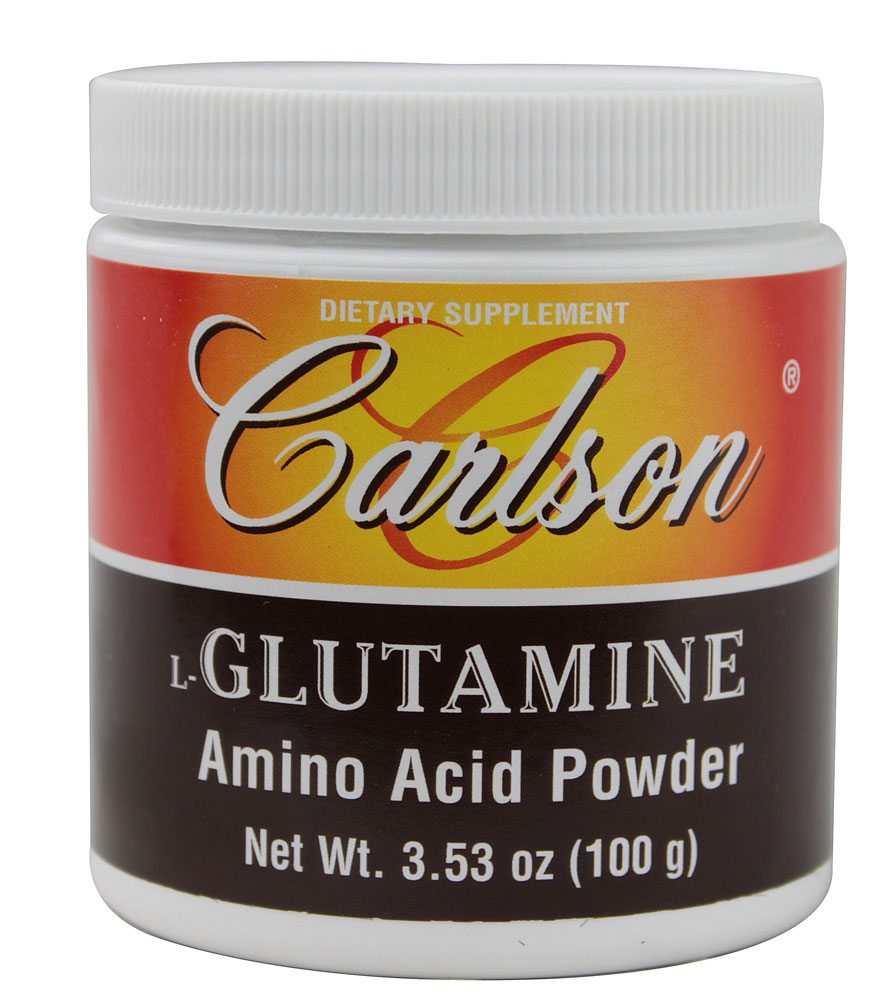
Carlson-L-Glutamine-Amino-Acid-Powder-088395068256by Elizabeth Walling,

Everywhere we look there are advertisements for anti-depressants, stimulants and other substances that are supposed to help us feel better and more energized, but time and again these drugs prove to be ineffective and even harmful in the long run. Amino acid supplements, on the other hand, are an excellent alternative therapy for treating lack of energy and low moods.

Julia Ross talks extensively about amino acid therapy in her books The Diet Cure and The Mood Cure (read my The Diet Curereview of The Mood Cure here). Supplementing with the right amino acids can boost deficient brain chemicals and make transitioning to a healthy lifestyle more achievable. It’s not uncommon to have trouble kicking habits like using tobacco, alcohol, caffeine and eating processed sugar foods. Many times cravings for these substances can be linked to neurotransmitter deficiency. Fixing your diet and lifestyle are the best ways to correct such a deficiency, but let’s face it: sometimes it feels impossible to make changes when our brain chemicals are off balance!

Amino acid therapy is generally very temporary if you are making other important changes in conjunction with the therapy. A few weeks or months is usually all it takes before doses can be tapered and eventually eliminated. I personally used amino acid therapy on and off for a period of about 12-18 months. Once I found which amino acids were most effective for me and got the dosage right, I discovered that changes were immediately noticeable. Today I no longer take regular doses of specific amino acids, though I do keep them around “just in case,” though I rarely feel the need to use them.

Here are four amino acids that particularly work to improve energy and mood:
(All the dosages below are based on Julia’s recommendations in her books, which I highly suggest reading before embarking on an amino acid therapy program. Remember it is always best to start with a small dose and increase as needed.)

4 Amino Acids That Improve Energy and Mood

Glutamine
Phenylalanine
Tryptophan
Tyrosine

READ MORE

HOW TO KILL CANDIDA AND BALANCE YOUR INNER ECOSYSTEM

SEPTEMBER 5, 2014 MICHAEL EDWARDS

Most people ingest too many refined, processed foods. Even us health nuts have a tendency to do this. In this fast paced world, with the body biologically programmed to desire sweets and other easy carbohydrates that are so much harder to find in nature, it’s common and totally normal to have too much Candida in our body.

If you experience this problem, and again, most people do, here are some ways you can balance your gut flora. Balancing the flora will alleviate many health issues, even little annoying ones you thought you were stuck with for the rest of your life such as itchy ear canals, body odor, and eczema.

Garlic

Most people know that garlic is antifungal, antiparasitic, antibacterial, and antiviral. It also helps with a host of other issues including the removal of toxins in the body. If I could only choose one single item to work with when it comes to healing and treatment modalities, I would choose garlic. Unfortunately, many people don’t know exactly how to use it to reap the benefits.

First and foremost, don’t cook it. It loses all its Candida fighting properties when you do. Secondly, cut it up and give it a minute before ingesting it. Or, if you’ve got a strong stomach and an even stronger mouth, chew it up for a minute with your mouth open, breathing in and out. This is also an incredibly effective treatment for tooth and gum problems, and even bad breath; though swallowing it, of course, can lead to garlic breath for many, but garlic breath is a sign of a toxic body.

Don’t use garlic from China, even if it’s organic. One way to tell, is those smaller, bright white garlic bulbs are almost always grown in China. China’s soil is just too toxic.

Essential oils

Oil of oregano has antifungal, antibacterial, and antiparasitic properties as well. Oil of oregano is exceptionally powerful and can be taken in tablet form.

Some other essential oils that kill candida include lavender, thieves, tea tree, and peppermint, though I don’t recommend taking these oils internally. They are a good solution for Candida skin rashes, though they can be painful to use. In most cases, they will not harm the skin even though you will feel a burning sensation.

Oils

Coconut oil is known for its antibacterial, antifungal, and antiparasitic properties, though it’s efficacy with Candida control is weak compared to other ingestible choices. Neem oil is an oil with similar antiparasitic properties, a bit stronger at parasitic control than coconut oil, but it should only be applied topically.

Other Candida Killers

Other notable items that are known to combat fungus include wormwood, black walnut hull, Spanish black radish, Pau d’Arco, goldenseal, coptis chinensis, ginger, cinnamon, and olive leaf extract. All of these are great to have around, and a few of them are exceptional at killing parasites, viruses, and bacterial infections (coptis chinensis, wormwood, black walnut hull, Spanish black radish) but while they are certainly antifungal, they’re not the strongest solution.

My favorite combination for eliminating excess yeast in my body is undecenoic acid (Thorne SF722) and very high quality probiotics. Combine this with Shillington’s intestinal cleanse and with big salads every day with lots of different vegetables, and you’ve got yourself a clean colon free of excess Candida in days, often in just one day. What I love about undecenoic acid and probiotics is that they don’t kill off good bacteria. They only eliminate Candida and other fungi. If I want to knock out parasites as well, I use Para-Shield, which has wormwood and black walnut hulls (and other good stuff that parasites hate).

Whatever approach you take with intestinal maintenance, a diet with a diverse selection of lots of raw vegetables is the most important thing you can do for your colon and your whole body.

Source: http://www.organiclifestylemagazine.com